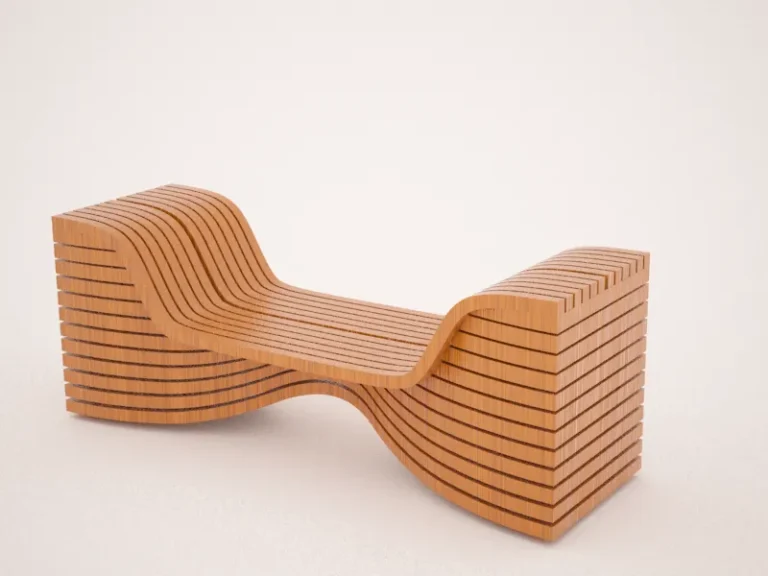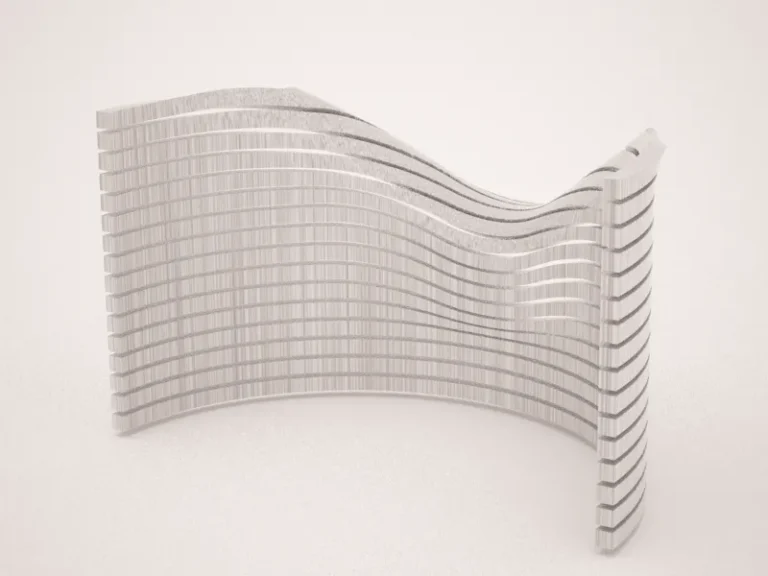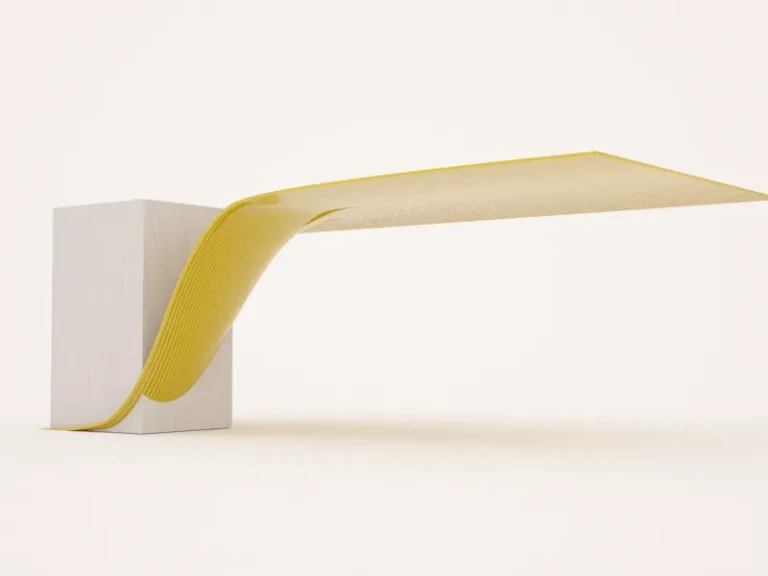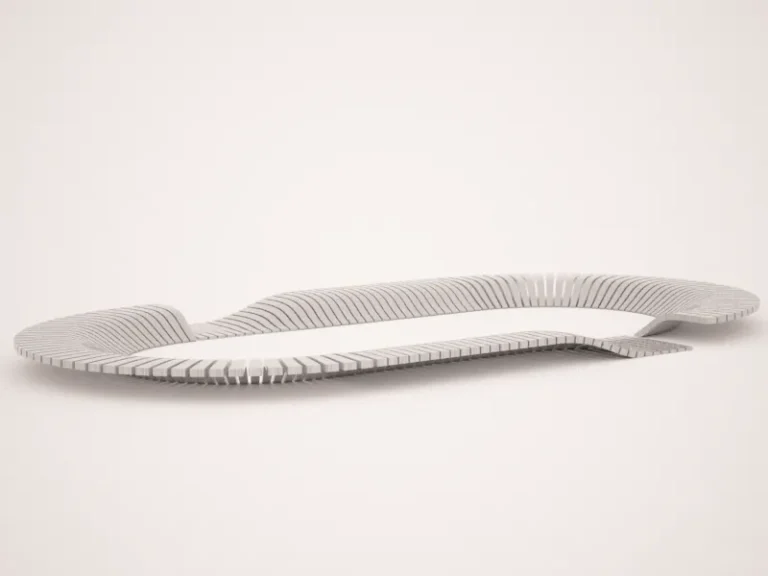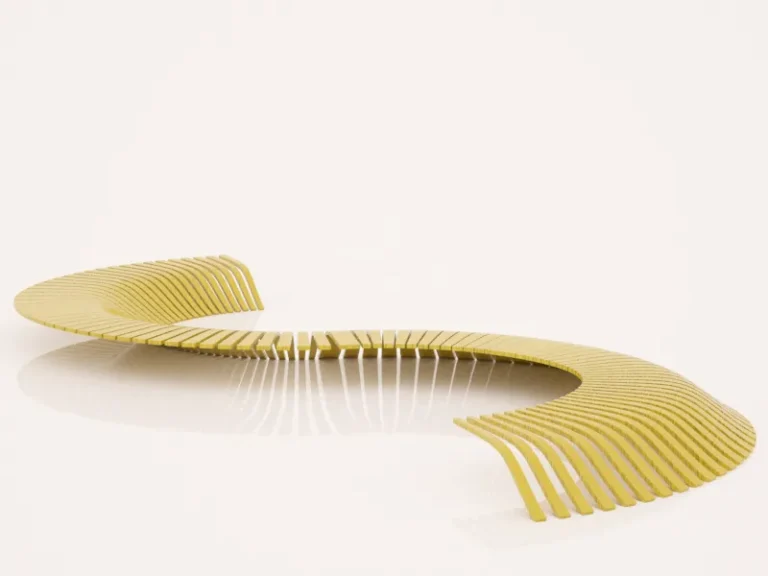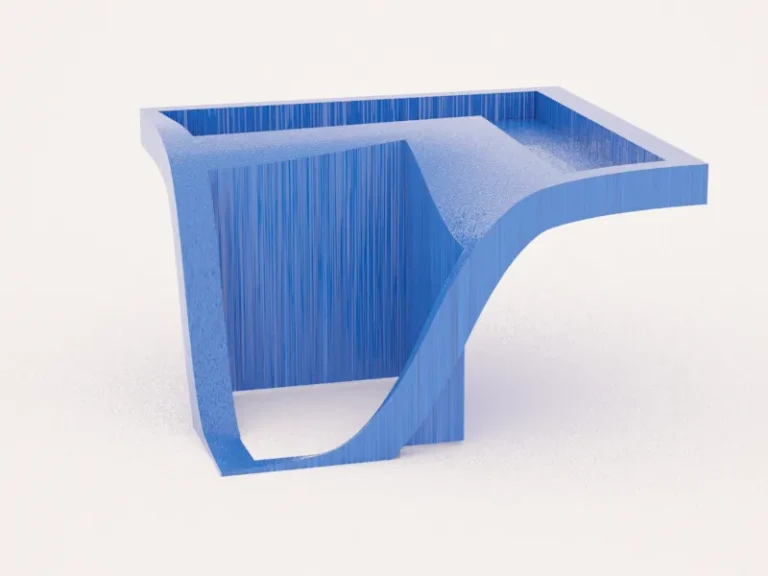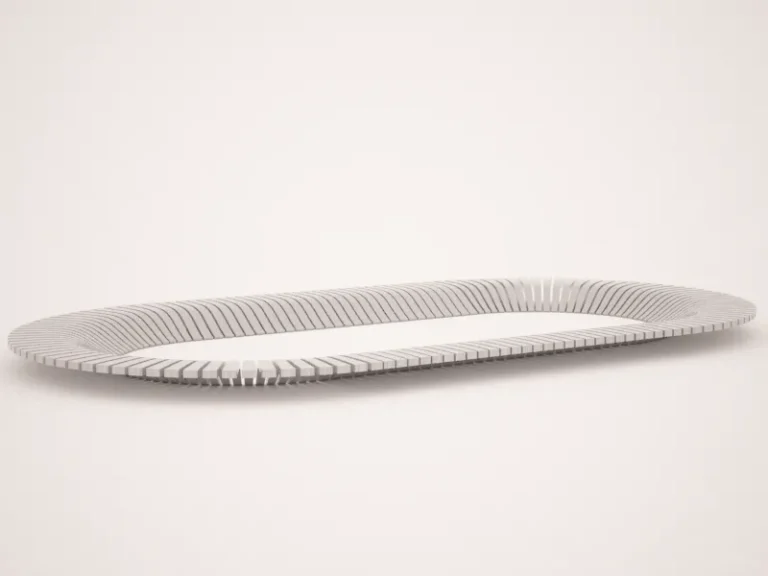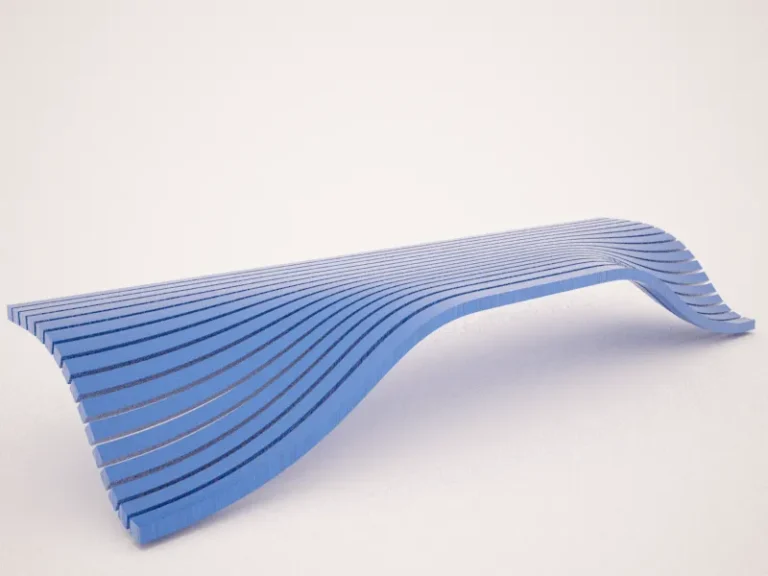
first idea
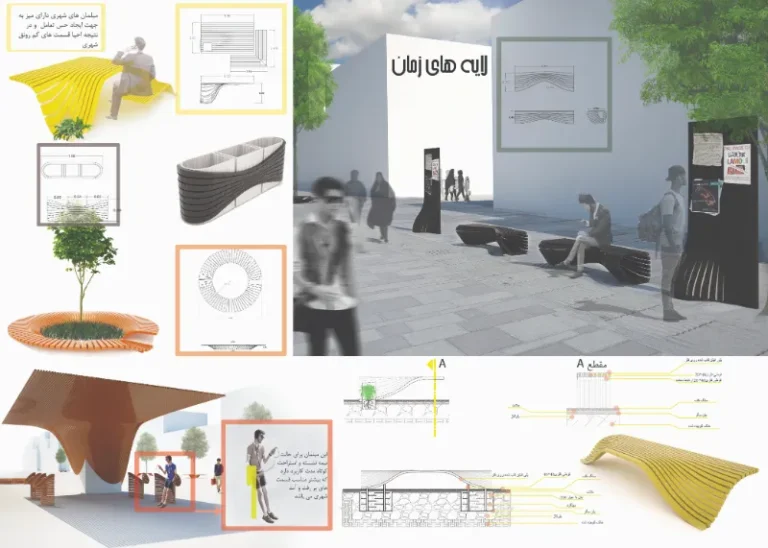
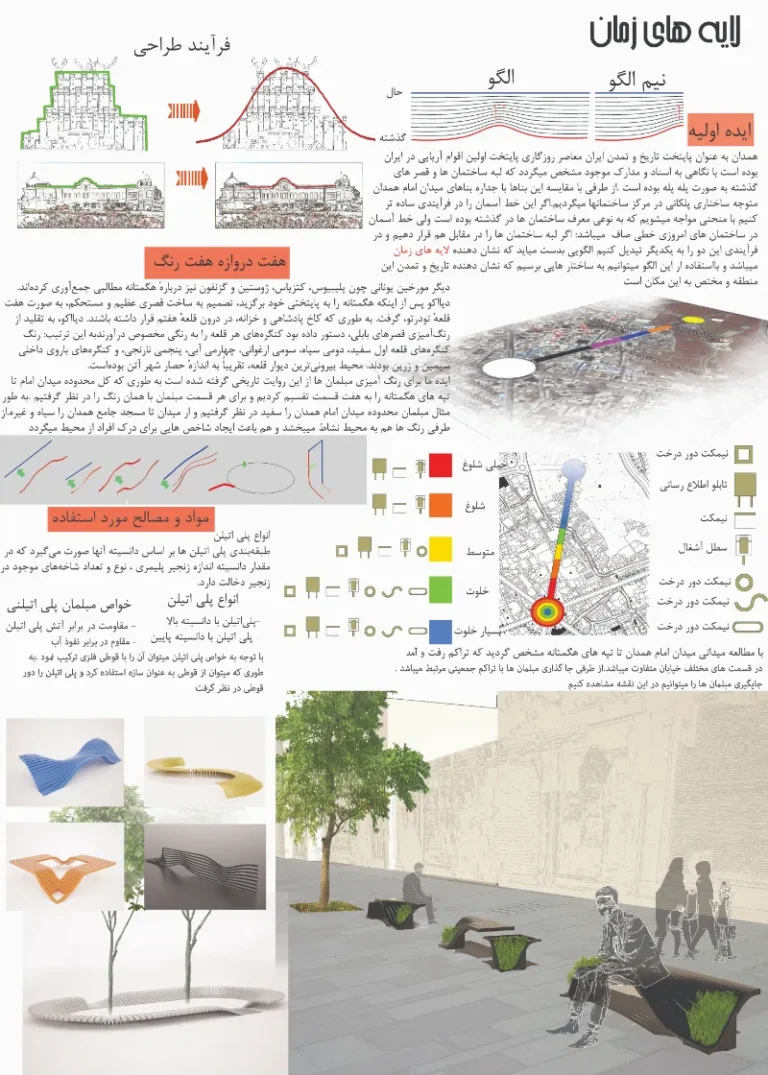
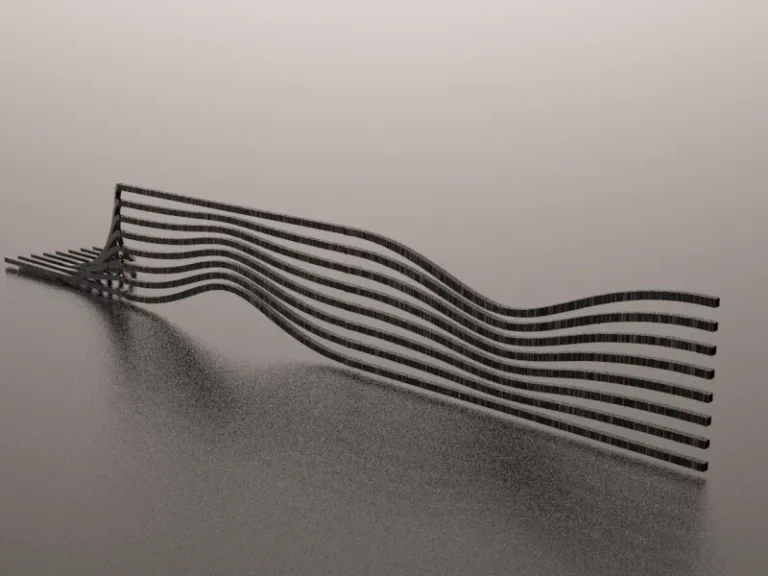
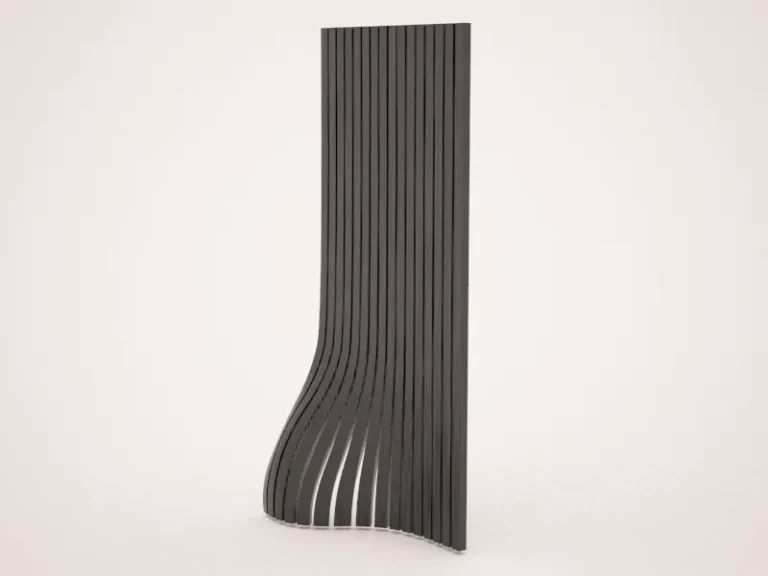
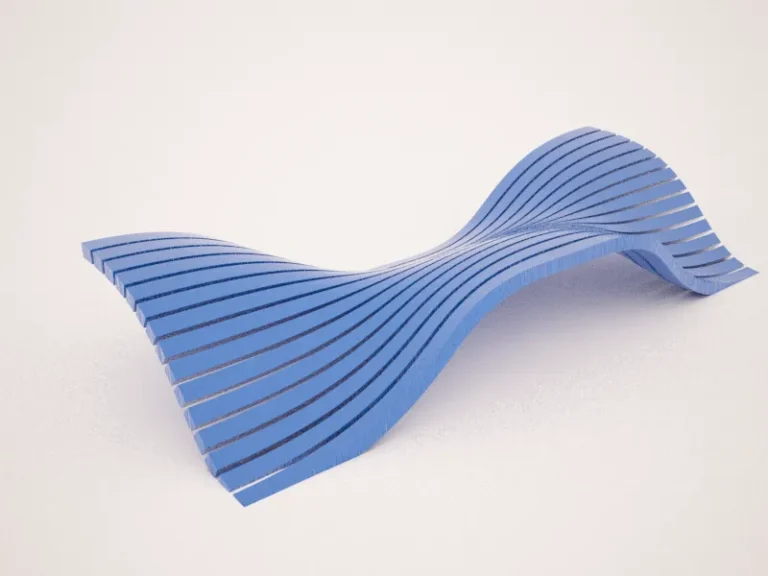
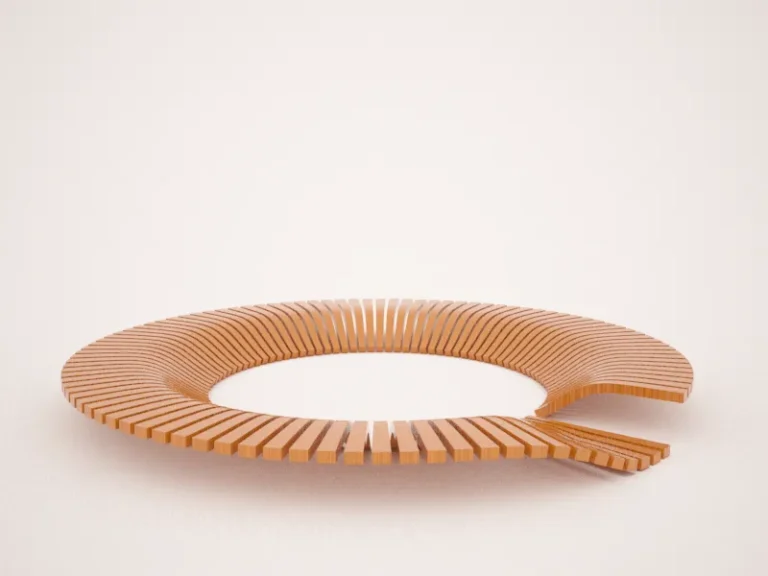
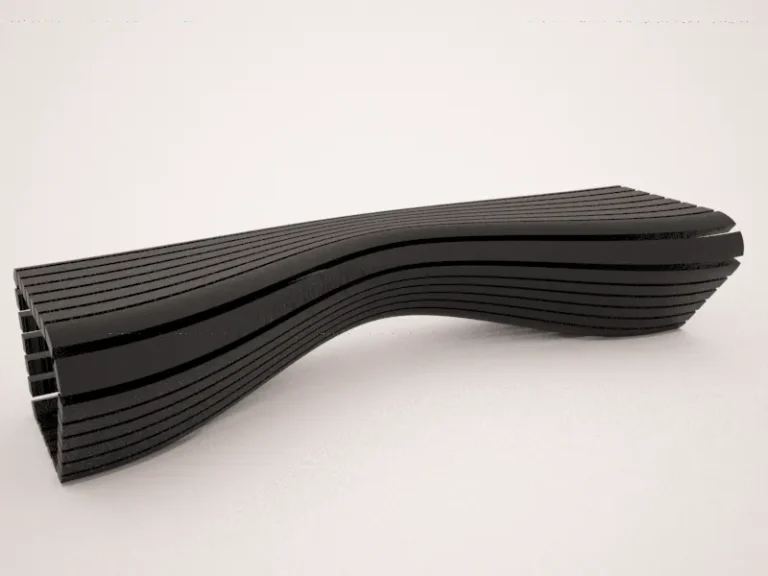
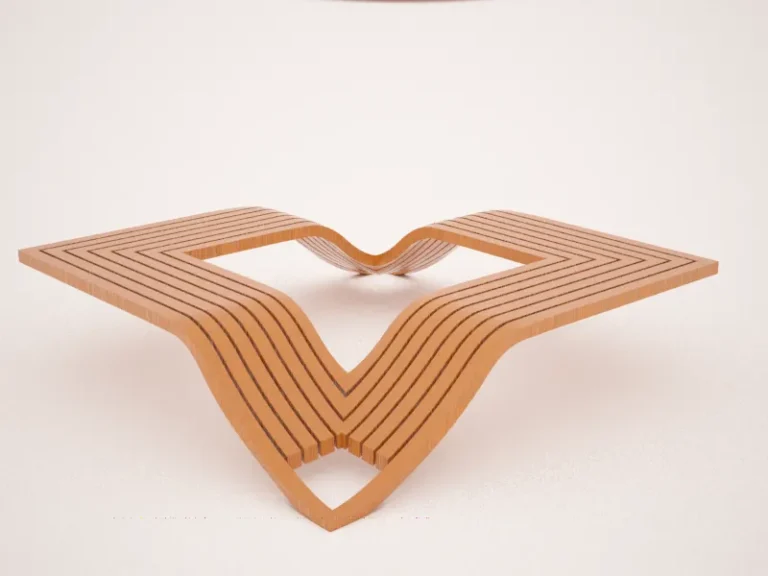
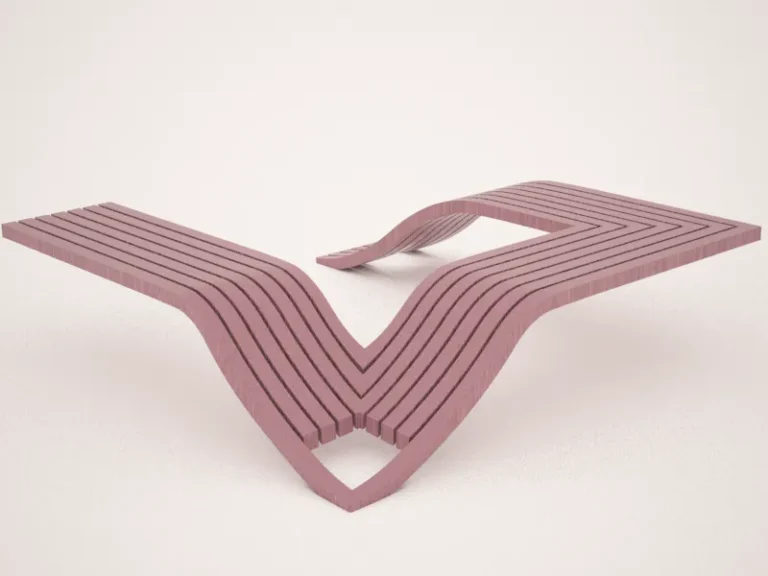
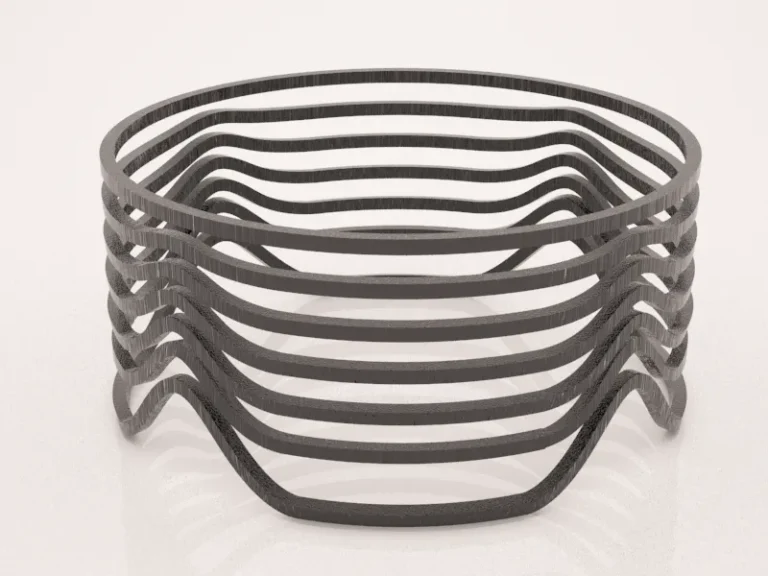
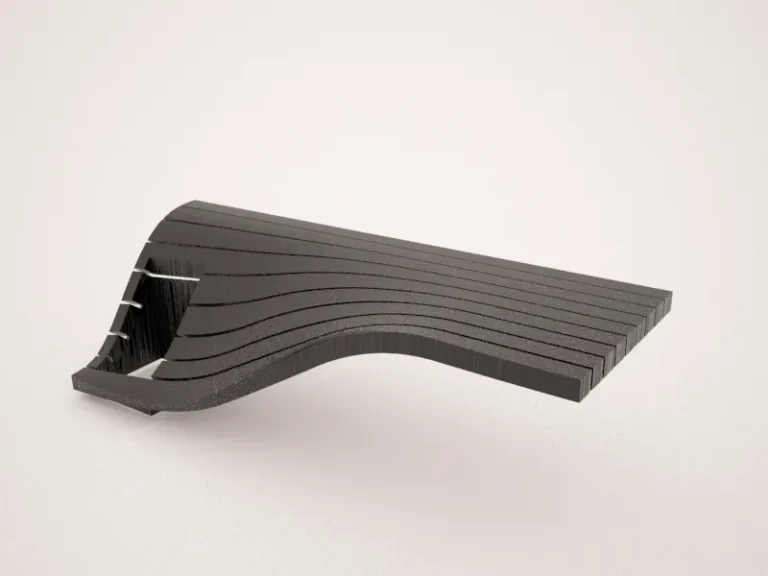
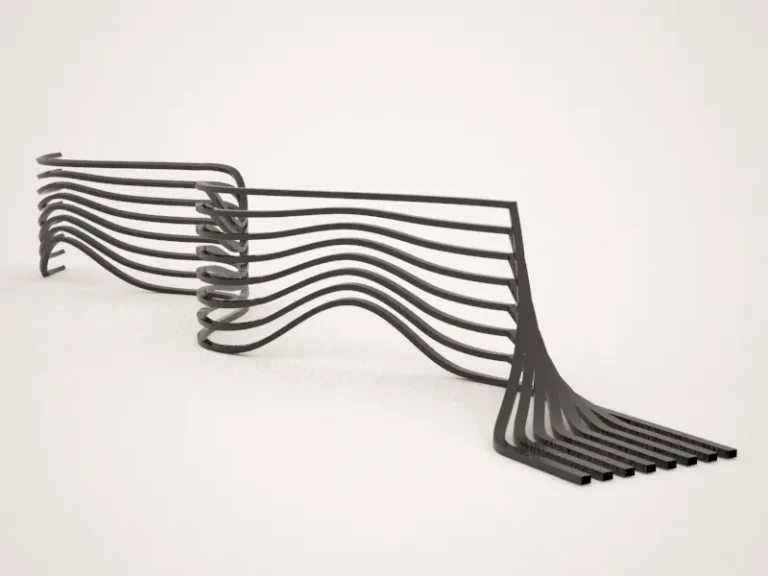
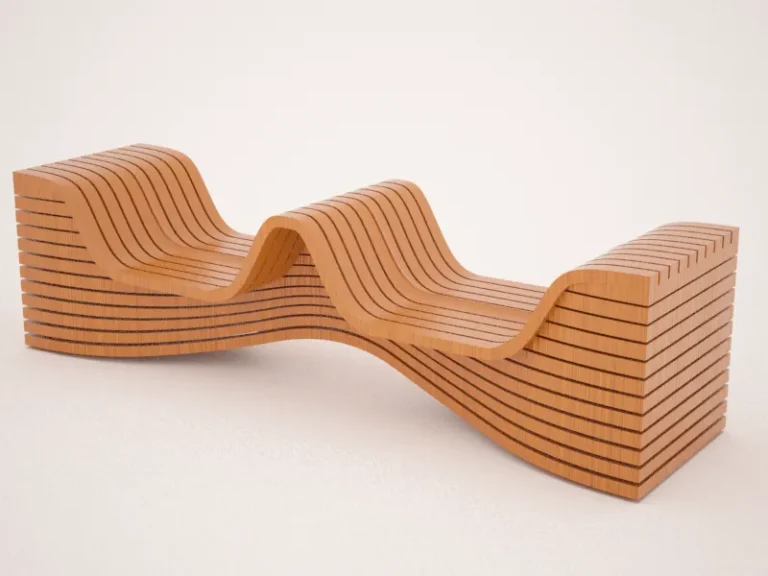
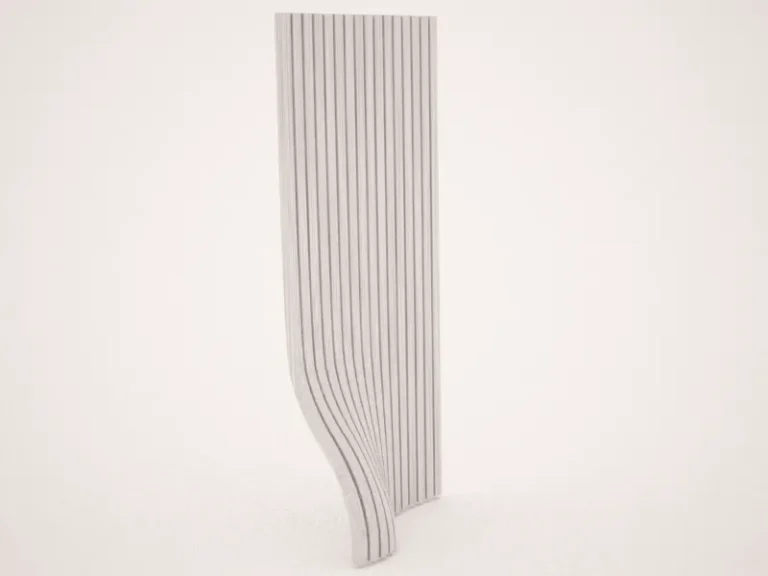
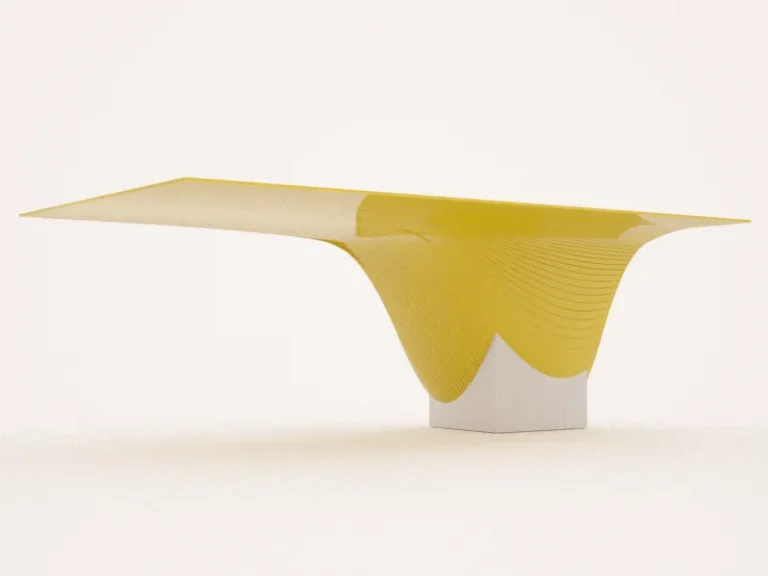
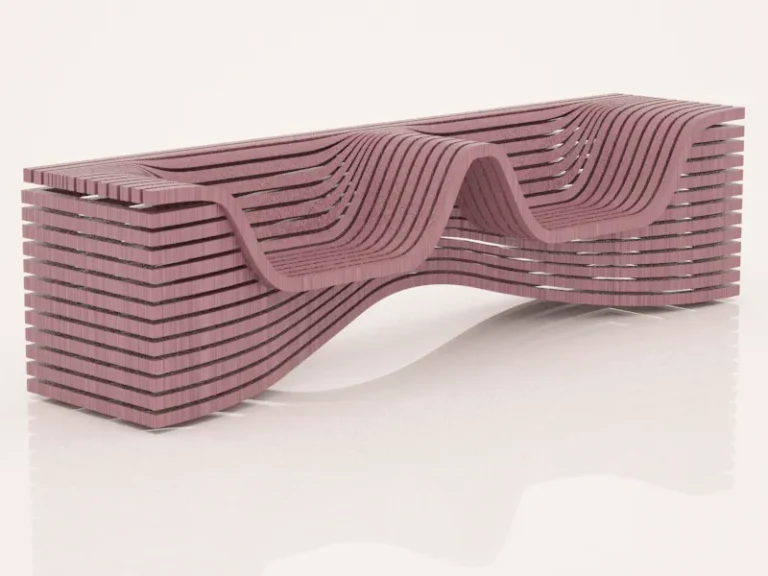
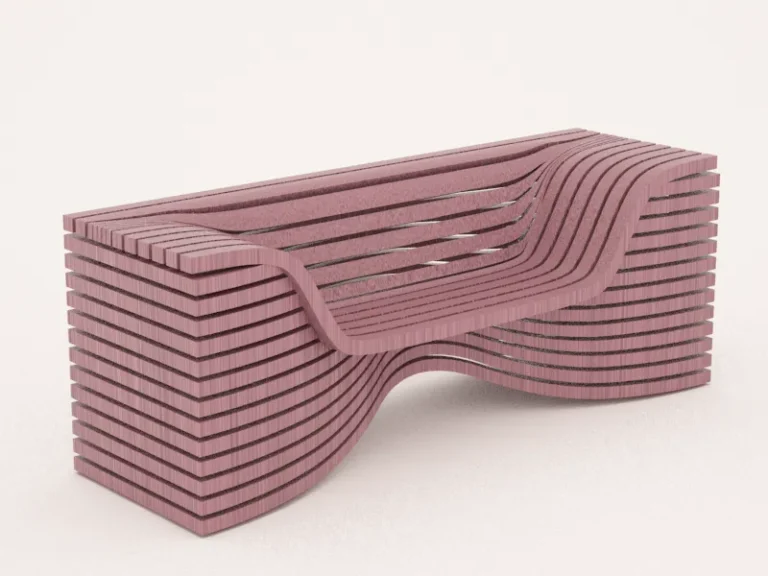
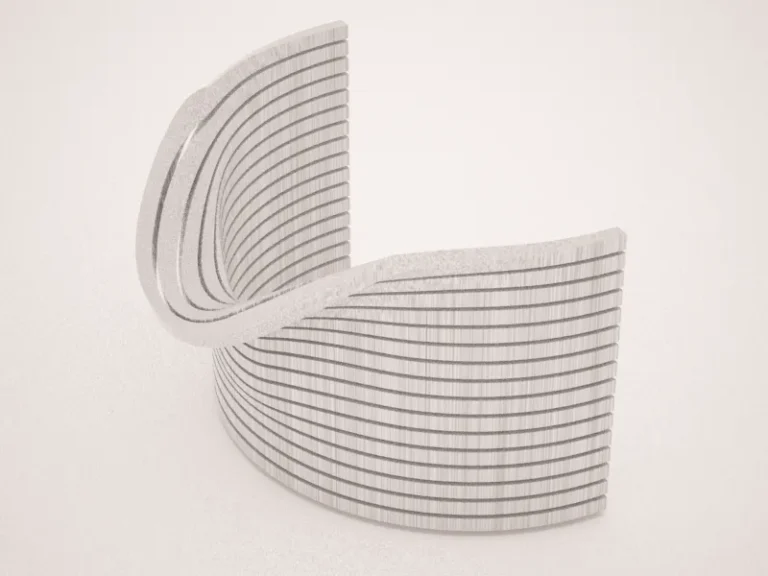
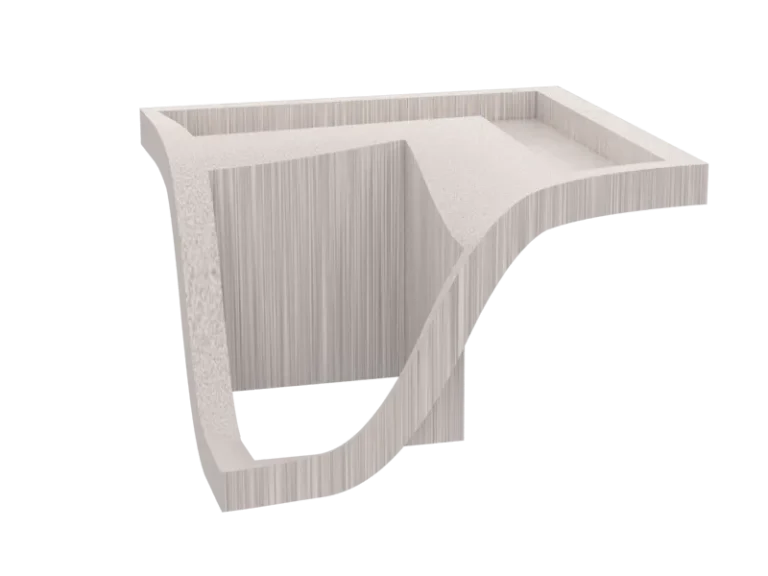
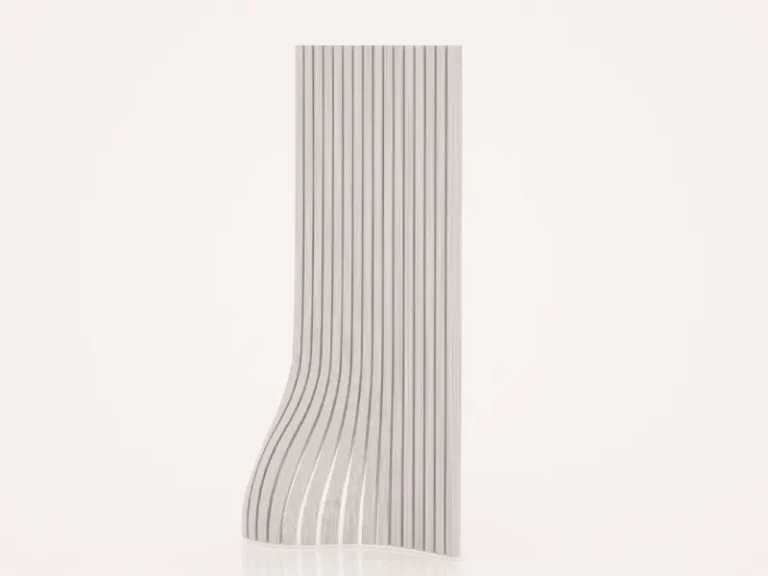
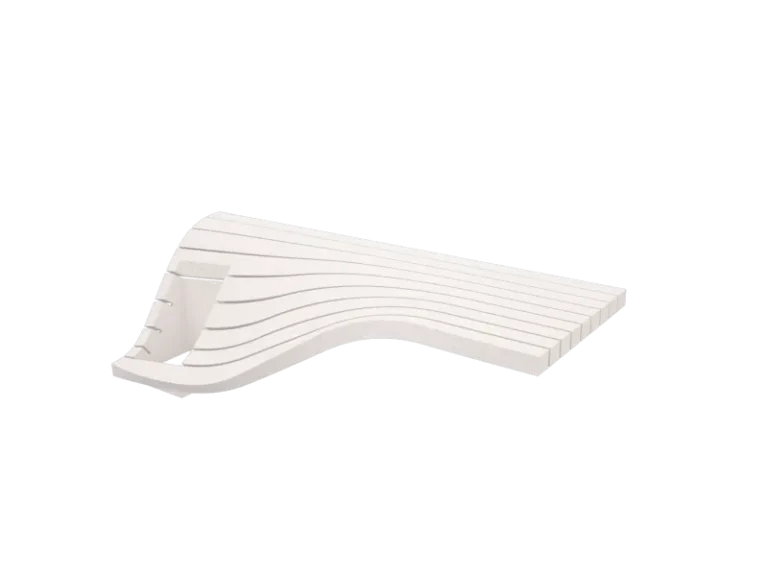
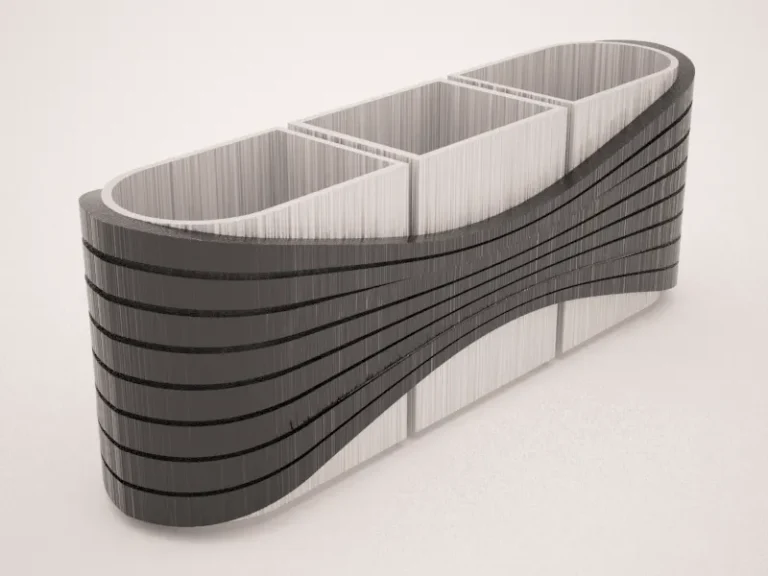
Hamedan, as the capital of Iranian history and civilization, was once the capital of the first Aryan tribes in Iran. By examining available documents and evidence, it becomes clear that the edges of buildings and palaces in the past were in a stepped formation. Comparing these structures with the walls of buildings in Imam Square in Hamedan reveals a stair-like structure in the center of the buildings. If we simplify this sky line and replace it with a curve, we encounter a pattern that somehow represents the construction of buildings in the past, whereas the skyline in modern buildings is a straight line. By placing the edges of buildings against each other and transforming them into each other, we can obtain a pattern that indicates layers of time. Using this pattern, we can reach structures that represent the history and civilization of this region and are specific to this location.
DESIGN PROCESS
Seven Gate Seven Color
After selecting Hamedan as his capital, Diako decided to build a grand and strong palace in the form of seven nested fortresses, so that the royal palace and treasury would be located inside the seventh fortress. Diako, inspired by the coloring of Babylonian palaces, ordered the corrugated upper edges of each fortress to be painted in a specific color: the corrugated edges of the first fortress were white, the second black, the third purple, the fourth blue, the fifth orange, and the interiors were silver and golden. The outermost wall of the fortress was almost as large as the walls of Athens.
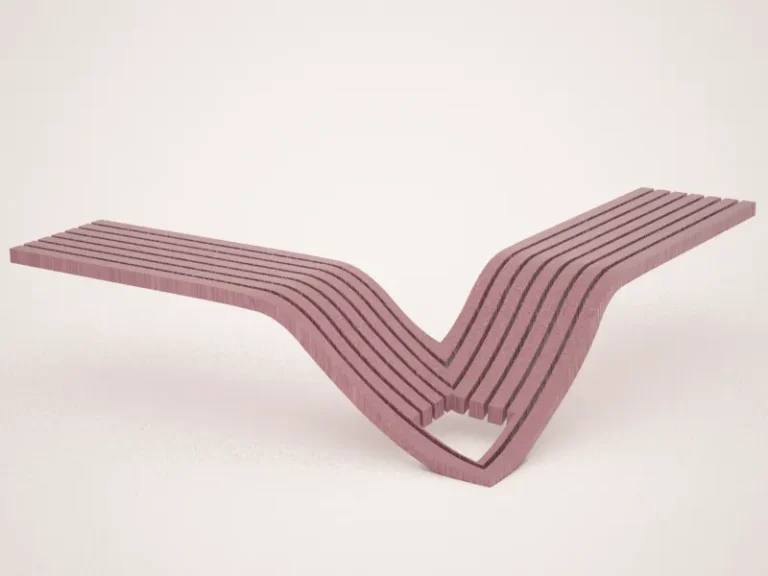
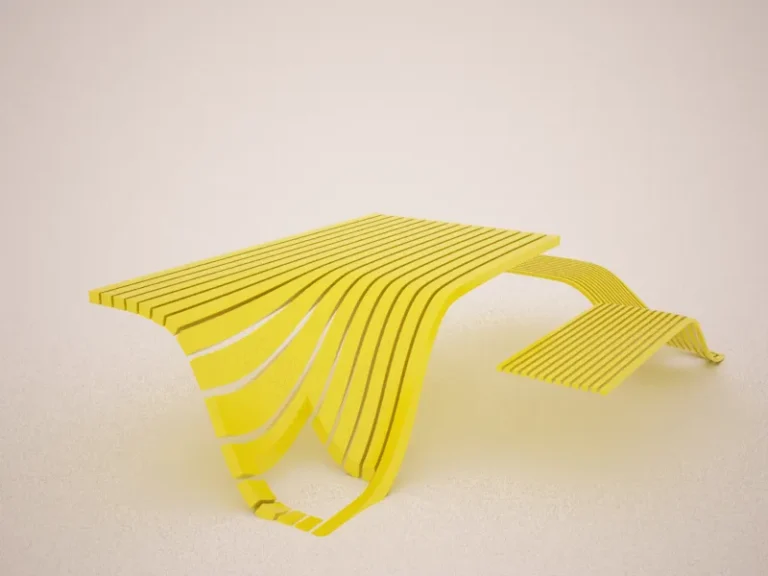
Our idea for coloring furniture is taken from this historical narrative, so we divided the entire area from Imam Square to the hills of Higmataneh into seven parts and considered furniture with the same color for each part. For example, we considered the furniture in the Imam Square area to be white and from the square to Jameh Mosque of Hamedan to be black, and so on. Colors also bring vibrancy to the environment and create indicators for people to understand the environment
Materials and substances used:
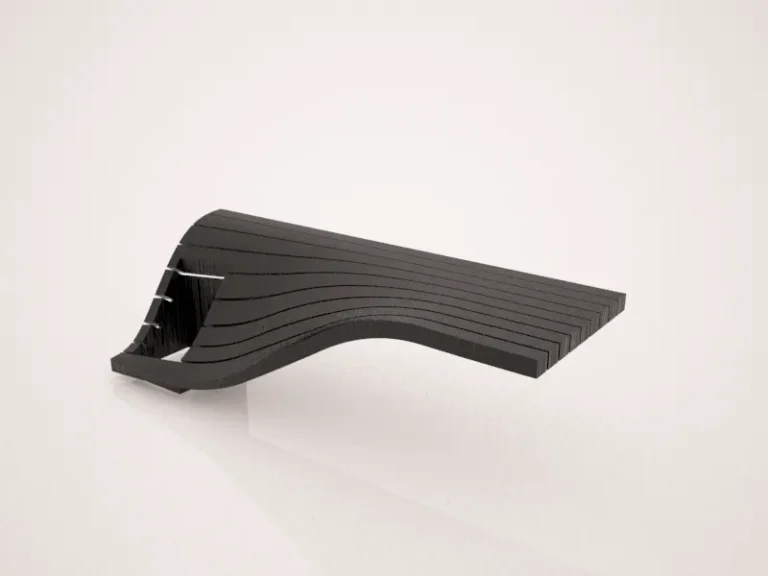
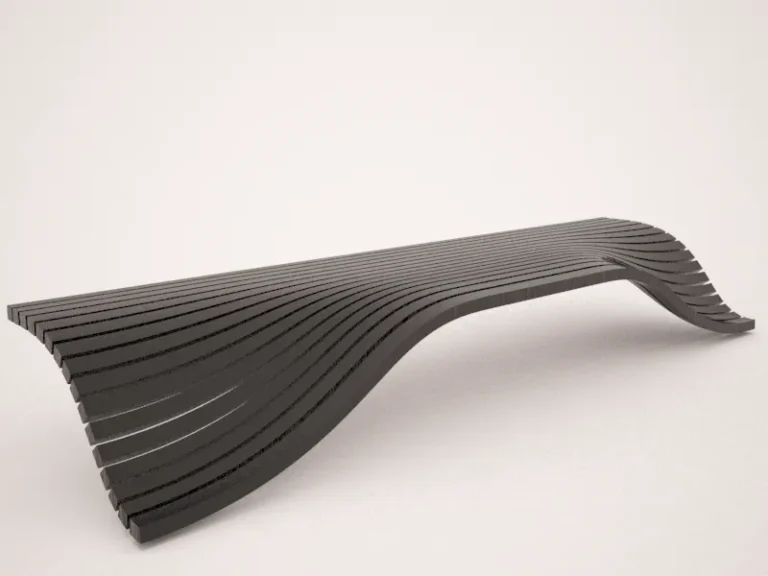
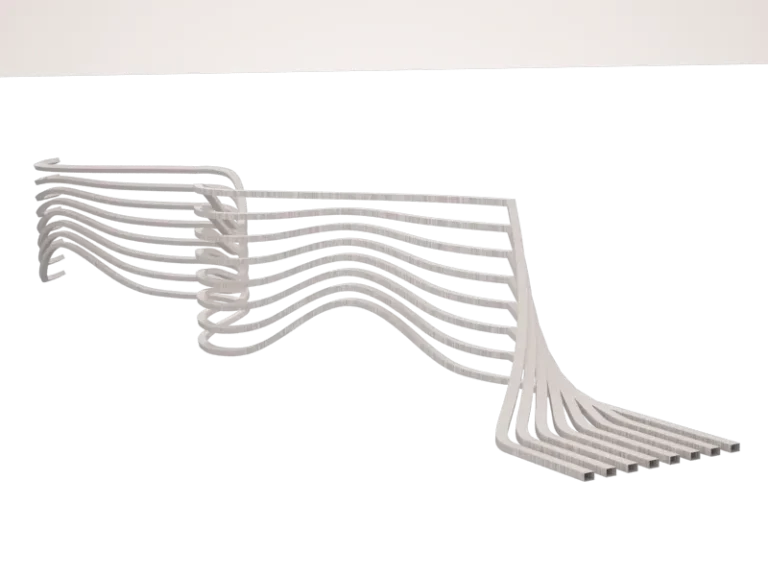
Various types of polyethylene Polyethylene is classified based on its density, which is influenced by factors such as chain length, type, and number of branches in the polymer chain. Properties of polyethylene furniture: Waterproof application, fire resistance Given the properties of polyethylene, it can be combined with metal tubes in such a way that the tube can be used as a structure and polyethylene can be considered around the tube.